Arizona Museum of Natural History: Tickets, Opening Times and What to See
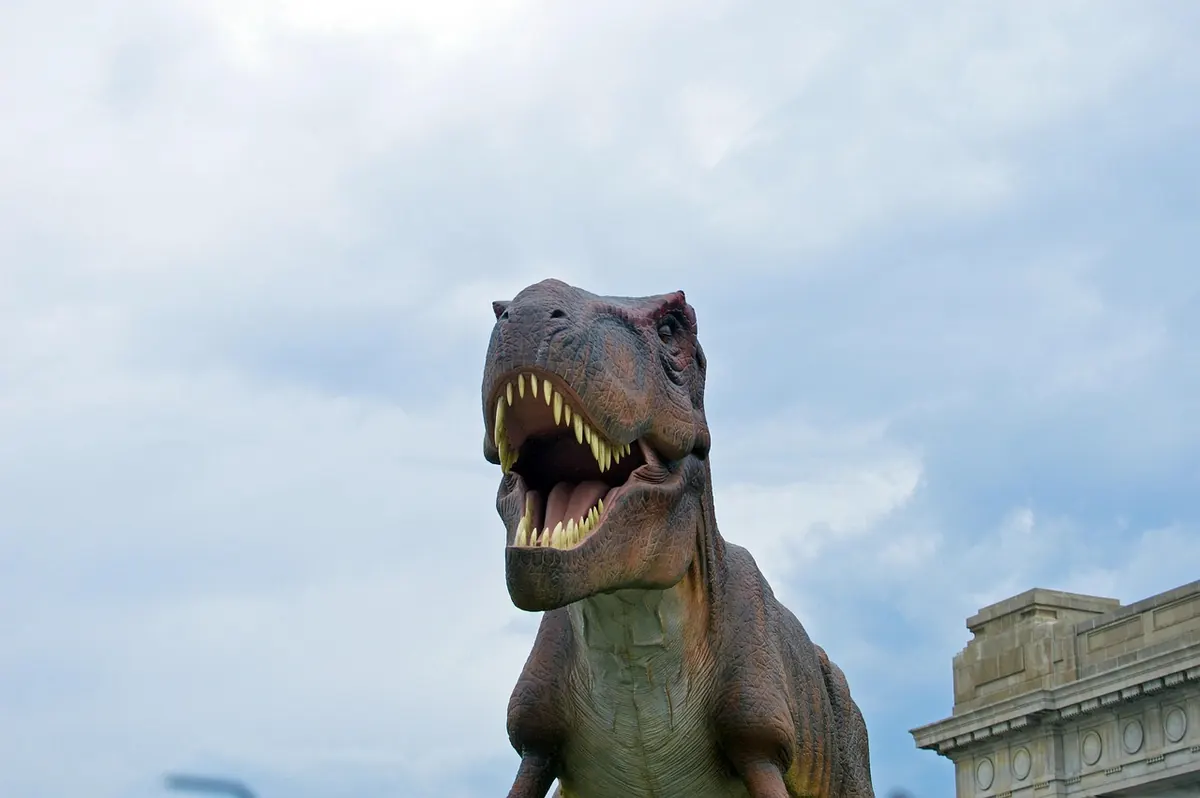
Mesa's natural history museum sits a couple of blocks from the light rail in the middle of downtown, and its centrepiece is hard to miss: a three-storey indoor mountain populated by life-size dinosaurs, complete with a waterfall and a thunderstorm that rolls through at intervals. It works just as well for a scorching July morning as it does for a slow Sunday with grandparents in tow.
What catches people out is the range. Most visitors arrive for the dinosaurs and leave talking about the gold panning, the fossil preparation lab or the cases of Arizona minerals. Here is how to plan the trip properly.
Where It Is and How to Get There
The museum stands on North Macdonald Street in downtown Mesa, a short walk from Main Street and directly opposite the Mesa Arts Center complex. If you are coming from Phoenix or Tempe, Valley Metro Rail runs along Main Street and puts you within a few minutes' stroll of the entrance — often easier than driving, particularly on event nights at the arts centre.
By car, expect metered street parking plus several public car parks and free lots within a couple of blocks. Downtown Mesa is compact, so nothing is more than a five-minute walk. Bring a hat and water bottle if you are visiting between May and September; the walk from the car is short, but the heat is not forgiving.
Tickets and Opening Times
Admission is modest by big-city museum standards, and there are reduced rates for children, students and seniors, with the youngest visitors usually admitted free. Prices and opening hours are adjusted from time to time, and the museum closes on selected public holidays, so confirm the current details on the official City of Mesa page before you set out. Buying online in advance is worth doing during school holidays and at weekends.
As a rule, the museum is closed on Mondays and open the rest of the week, with shorter hours on Sundays. A few things are worth checking before you travel:
- Today's opening hours and any holiday closures
- Whether timed entry or advance booking is in force
- Which discounts you qualify for — children, students, seniors, military, and Mesa residents
- Whether a visiting exhibition carries a separate charge
- Step-free access, lift locations and whether pushchairs are permitted in every gallery
Dinosaur Mountain and the Fossil Halls
Dinosaur Mountain is the reason most families come, and it earns the fuss. A three-storey artificial cliff face rises through the middle of the building, with animatronic dinosaurs perched on ledges and a waterfall tumbling down the rock. Every so often the lights dim, thunder cracks and a flash flood sweeps through the scene. It is loud, dramatic and genuinely well done.
A word of warning for parents of toddlers: the darkness and noise can overwhelm very small children on a first pass. Stand back and let them watch from a distance before heading closer. Older children tend to want to stay for a second cycle.
Nearby, the fossil preparation lab is the sleeper hit. You can watch technicians working real specimens out of rock with fine tools, and staff are usually happy to explain what they are doing. It is the part of the museum that adults linger in longest.
Beyond the Dinosaurs
Treasures of the Earth
Arizona's mineral wealth gets its own gallery, with cases of copper minerals, gemstones and crystals that are far more striking than the subject sounds. There is usually a gold-panning activity where children swirl gravel in a pan and keep whatever they find — a reliable way to buy yourself twenty quiet minutes.
The Prehistoric and Native Southwest
This is where the museum earns its "Arizona" name. Exhibits cover the Hohokam and other cultures of the Salt River Valley, with pottery, tools and reconstructions that make the desert's deep human history legible. If you have already driven past the canal system without giving it a thought, this section changes that.
Arizona History and Mining
Smaller displays cover territorial history, mining and the legends of the Superstition Mountains. It is a good place to slow down towards the end of a visit, when younger children have burned off their energy.
How Long to Allow and When to Visit
Two to three hours covers the museum comfortably. Give it half a day if you have children who like to read every label, or if a temporary exhibition is on.
Timing matters more than you might expect. Weekday mornings during term time bring school groups, which can make Dinosaur Mountain feel like a rush hour platform. Weekday afternoons after about two o'clock are noticeably calmer, and Sunday afternoons are steady rather than frantic. Summer weekends are busy because everyone local is looking for air conditioning; arrive at opening if that is your only slot.
Making a Day of It in Downtown Mesa
The museum is easy to pair with the rest of downtown. The Mesa Arts Center is right there, with galleries and a packed programme of performances. Families with younger children often combine a visit with the nearby children's discovery museum, which suits pre-schoolers better than dinosaur skeletons do. Main Street has a good spread of independent cafés and casual restaurants within walking distance, and the light rail makes it simple to extend the day towards Tempe or central Phoenix without moving the car.
Before You Set Off
Check the website on the morning of your visit for hours and any closures, book ahead if you are going at a weekend or in the school holidays, and allow a little extra time for parking. Wear comfortable shoes, keep water handy in summer, and plan your stop in the fossil lab for the middle of the visit — it is the calmest corner of a building that is otherwise full of noise and movement.
Photo: royharryman / Pixabay