Common Mistakes First-Time Visitors to Mesa Make (and How to Avoid Them)

Common Mistakes First-Time Visitors to Mesa Make (and How to Avoid Them)
Mesa looks straightforward on a map: a grid of streets east of Phoenix, mountains on the horizon, wide roads and plenty of parking. Then you spend forty minutes driving to a restaurant you assumed was around the corner, or you plan a hike for eleven in the morning in July and find the trailhead empty for a reason.
None of that should put you off. Mesa has a proper museum quarter, a handsome arts centre, spring-training baseball in the cooler months and desert trails starting at the edge of the suburbs. The mistakes below are the ones first-timers make over and over, and each is easy to fix.
Assuming Mesa Is Small Enough to Walk
Mesa is one of the largest cities in the Phoenix area by land area, and its highlights are spread widely across it. Downtown, the Mesa Arts Center and the museums sit in the middle. The desert parks and trailheads are out east, where the suburbs give way to the Superstition foothills. Shopping, stadiums and newer neighbourhoods stretch further still.
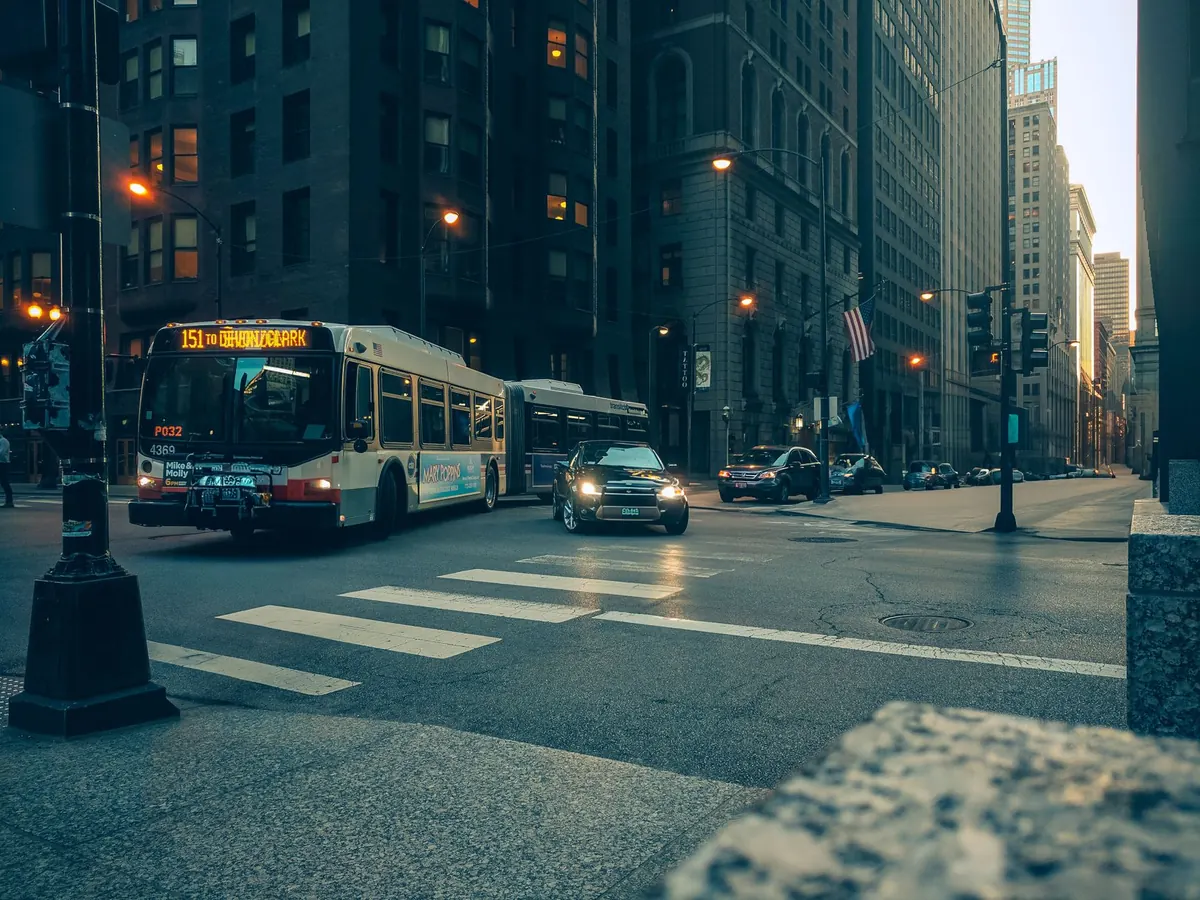
Treat a car as essential unless you are staying on the light rail line, which runs along Main Street towards Tempe and Phoenix. Ride-hailing is easy to find, but three or four cross-town trips a day add up fast. Freeways move quickly; surface streets, long and lined with traffic lights, do not.
The simplest fix is to plan by area rather than by attraction. Give downtown Mesa a morning, the desert parks another, and Tempe or Scottsdale a separate day. Trying to fit a museum, a hike and a meal on the far side of the valley into one afternoon is how visitors end up spending their holiday in traffic.
A Better Way to Group Your Days
For example, base a downtown morning around the Mesa Arts Center, the Arizona Museum of Natural History and lunch on Main Street, then keep the afternoon free for a short drive to Tempe. Save Usery Mountain Regional Park or Lost Dutchman State Park for a separate dawn start, because they sit east of the city and deserve more than a rushed hour. If you are here for spring training, pair a Cubs game at Sloan Park with an evening in downtown Mesa rather than trying to cross the valley twice.
Ride-hailing works well for nights out, but if you are relying on it all day, use the light rail for the Mesa–Tempe–Phoenix corridor and drive only for the desert legs. That single change can save you both money and frustration.
Underestimating the Heat
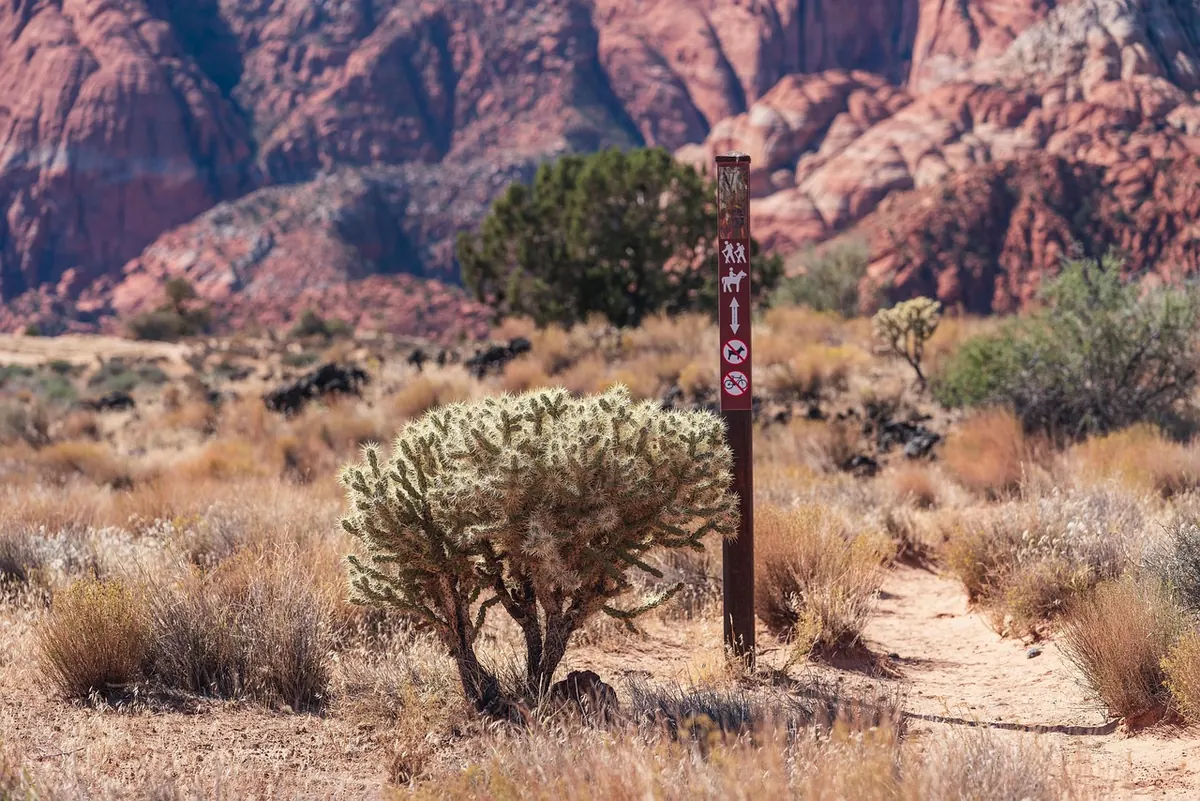
From May through September, daytime temperatures in the Phoenix area regularly pass 40°C (104°F), and the sun does most of its damage before lunch. Visitors from cooler climates often misread this. The air is dry, the sky is clear, and the first twenty minutes feel perfectly manageable. Two hours in the open is a different matter.
- Walk and hike early — first light is the best hour of the day — or head out after sunset.
- Carry more water than feels necessary, and turn back before the bottle is empty, not after.
- Wear a hat, sunglasses and suncream, and cover your shoulders even when it feels counterintuitive.
- Keep spare water in the car and never leave a child or a pet in a parked vehicle, even briefly.
- Watch the forecast from July to September: monsoon storms arrive quickly, bringing dust and sudden rain.
- Go easy on alcohol and iced coffee as substitutes for water. They are not the same thing.
- Consider electrolyte tablets or a sports drink if you are sweating heavily for more than an hour.
Heat affects people differently, and some prescription medicines make it harder to cope. If you have a heart condition, are pregnant, or take regular medication, speak to a doctor before planning anything strenuous. When an excessive heat warning is issued, indoor plans are the sensible ones.
The desert does not feel dangerous until it does. By the time you are thirsty, you are already behind on fluids.
Heat-Smart Alternatives
If you are visiting in July, build your day around air-conditioned stops: the Arizona Museum of Natural History, the i.d.e.a. Museum, Mesa Arts Center galleries and a long lunch. Save outdoor time for after 6 p.m., when the temperature drops and the light on the Superstitions is at its best. Even then, carry water.
Getting the Timing Wrong
Mesa’s attractions keep shorter hours than visitors from large European cities expect. Several museums and smaller sites close one day a week — Monday is the usual one — and last admission is often mid-afternoon. Desert parks out east have their own gate times and, in the hottest weeks, may restrict trail access altogether. Check the day before you drive out; a quick call saves a wasted morning.
Season matters too. Spring training baseball runs from late February into March and fills hotels across the valley, so book well ahead if that is your reason for coming. Winter days are mild and pleasant, but mornings can be genuinely cold and you will want a jacket after sunset. Restaurants often stop serving earlier than you might expect, and some smaller places close on Sundays.
What a Realistic Day Looks Like
In winter, start at a trailhead around 7:30 a.m., finish by 10:30, then spend the afternoon downtown or at a museum. In summer, reverse it: indoors at midday, outdoors at dusk. On Sundays, check restaurant hours before you drive; some family-run places close early or all day. A little flexibility around the clock makes more difference in Mesa than almost anywhere else.
Tipping and Money Expectations
Tipping is not optional in the way it is in the UK; it is part of how people are paid. For table service in a restaurant, 18–20% is a normal baseline, and 15% signals that something went wrong. Bartenders expect a dollar or two per drink. Coffee shops and counter-service places often present a screen with suggested percentages — a dollar is perfectly acceptable, and skipping it is no crime. Hotel housekeeping usually gets a few dollars a day, left somewhere clearly meant for them.
Two more money details catch people out. Prices on menus and shelves exclude sales tax, which is added at the till, so the total is always higher than the number you read. And carry a few small notes: cash makes tipping simpler and is useful in smaller shops and at park entrances.
- Table service: 18–20% is standard; 15% suggests dissatisfaction.
- Bars: $1–$2 per drink, or 20% on a tab.
- Coffee counters: a dollar in the jar or on the screen is fine.
- Housekeeping: $2–$5 per day, left with a note if possible.
- Tax: added at the till, so budget roughly 8–9% above menu prices.
Treat the percentages as a starting point rather than a precise rule. If service was excellent, round up; if it was poor, speak to a manager rather than simply leaving nothing. For groups of six or more, many restaurants add an automatic gratuity, so read the bill before adding another 20% on top. And remember that tax is not included in the price you see on a menu: a $15 dish may become $16.50 or more at the till once state, county and city sales tax are added.
Mistaking Mesa for Phoenix — or Scottsdale
First-timers often book a hotel in one city and plan attractions in another without checking drive times. Mesa is not a suburb of Phoenix in the walkable sense; it is a large city in its own right, with downtown Mesa, East Mesa and the Gateway area all feeling distinct. Old Town Scottsdale, downtown Phoenix and Tempe’s Mill Avenue are separate destinations, each 20–40 minutes away by car depending on traffic.
The light rail helps along the Main Street corridor, but it does not reach the desert parks, most spring-training stadiums or the shopping centres in East Mesa. If your itinerary is heavy on Scottsdale restaurants and Phoenix museums, staying in central Mesa will mean a lot of driving. If your focus is the Superstitions, Mesa is a good base. Be honest about what you actually want to see before you choose where to sleep.
Overlooking Downtown Mesa’s Cultural Side
Some visitors treat Mesa as a place to sleep between hikes and ballgames, then skip downtown entirely. That is a mistake. The Mesa Arts Center is a genuine architectural landmark, with theatres, galleries and a schedule of touring shows. The Arizona Museum of Natural History covers Arizona’s ancient past and has a walk-through canyon and dinosaur exhibits that work well for families. The i.d.e.a. Museum is built for younger children, and the Mesa Historical Museum gives context to the city’s pioneer and agricultural roots.
Downtown is also where you find independent coffee shops, breweries and restaurants in converted buildings. It is compact enough to wander for an afternoon, and it is one of the few parts of Mesa where you can park once and walk between several stops. Pair it with a show at the arts centre and you have a full day that does not require a trailhead or a stadium.
The Simple Rule for Mesa
Plan by area, respect the heat, check opening hours, tip properly and book the things that matter. Do that, and Mesa rewards you with desert sunsets, a real arts scene and a pace that is easier to enjoy than to fight.
Photo: Vlada Karpovich / Pexels